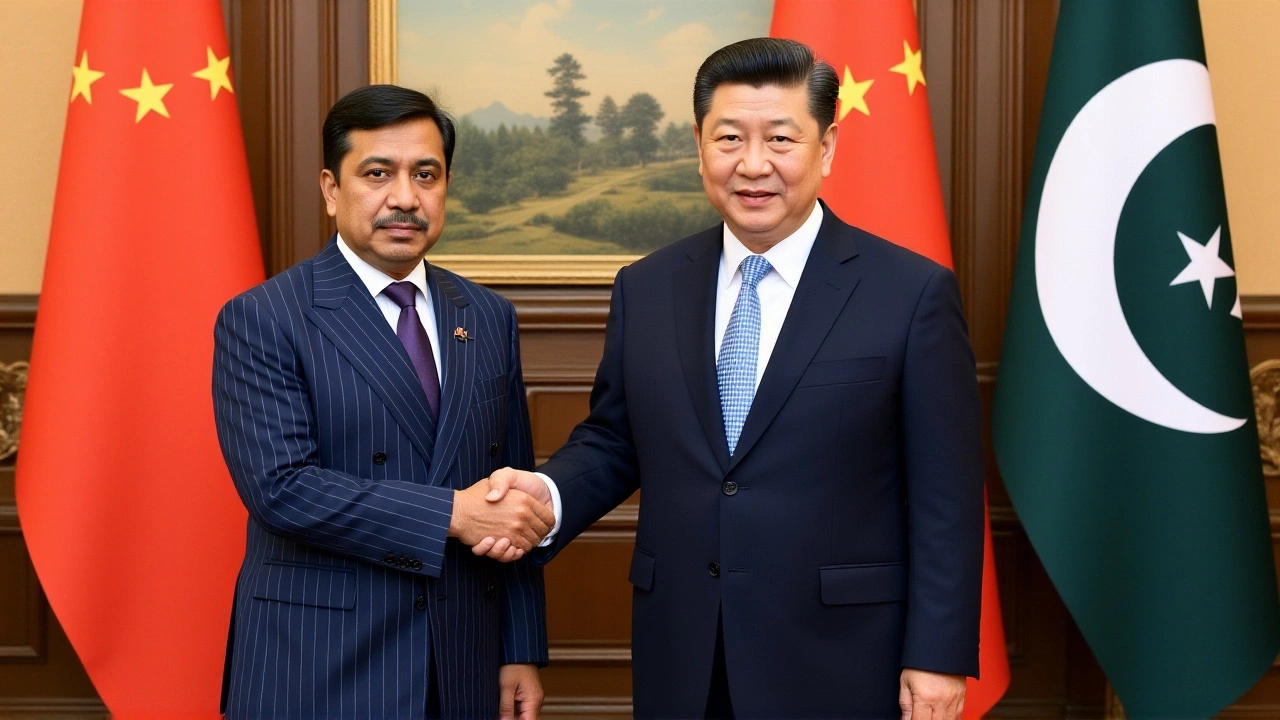
When Narendra Modi, Prime Minister of India, recently shook hands with his Chinese counterpart, it looked like a diplomatic thaw. But beneath the surface, tensions are boiling over infrastructure projects in disputed territory. Here’s the thing: Beijing isn’t just talking tough; it’s building hard.
The latest flashpoint involves China accelerating infrastructure development in Pakistan-occupied Kashmir (PoK), specifically in the Shakshagam Valley. According to recent reports from Indian news programs like "International Prime Time," China is laying railway tracks and roads under the China-Pakistan Economic Corridor (CPEC). This move is being interpreted by New Delhi not just as economic expansion, but as a strategic "red eye" gesture—a direct challenge to India’s sovereignty claims.
The Shakshagam Valley Dispute
The core of the issue lies in the Shakshagam Valley, a region India considers its own but which has been under Pakistani control since 1947. Reports suggest that Pakistan has effectively ceded parts of this valley to China for development. The anchor on the program stated clearly that China has declared this area its own and begun projects without hesitation.
This isn't just about roads and rails. It’s about permanence. By embedding Chinese infrastructure in PoK, Beijing is making it harder for any future diplomatic resolution to return the status quo ante. For India, this feels less like trade and more like occupation by proxy.
Military Tech Transfer: Beyond Infrastructure
But wait, there’s more. The tension isn’t limited to concrete and steel. Recent disclosures highlight a deeper military collaboration between Beijing and Islamabad. Sources claim China helped reorganize Pakistan’s air defense and radar systems specifically to monitor Indian troop movements.
Here are the key technical details:
- Satellite Surveillance: China allegedly adjusted Pakistan’s satellite monitoring systems to focus entirely on Indian territory.
- Radar Reorganization: Air defense networks were restructured to provide early warning of potential Indian aerial attacks.
- Weapon Systems: Pakistan received PL-15 air-to-air missiles and CM-400 AG AKG cruise missiles from China.
Oddly enough, despite these upgrades, Indian military analysts argue that these systems failed during recent engagements. The narrative emerging from Indian media is that the Indian Air Force successfully bypassed Chinese-made anti-drone systems (ADS) and struck strategic targets in Pakistan, rendering the expensive Chinese tech ineffective—or as one commentator put it, "fake."
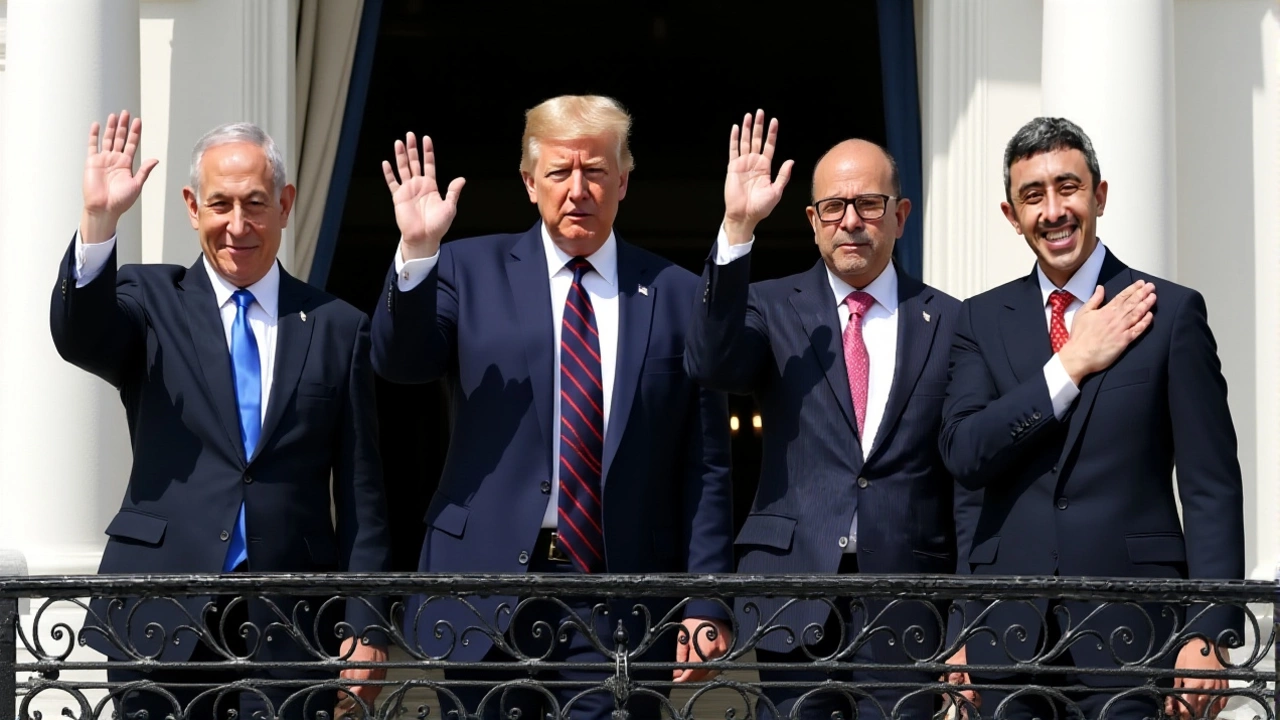
Diplomatic Whiplash: Tough Talk vs. Handshakes
The twist is how this plays out politically at home. On one hand, Prime Minister Narendra Modi has used strong rhetoric, promising to show China a "red eye" if it crosses lines. On the other hand, he was seen shaking hands with President Xi Jinping at international forums.
Critics, including opposition voices and independent commentators, have seized on this contradiction. They label supportive media outlets as "godi media" (a derogatory term implying subservience to power) and question the sincerity of India’s hardline stance. Why shake hands if you’re ready to fight? The public is left confused, caught between nationalist fervor and diplomatic reality.
Broader Regional Instability
While India and China dominate the headlines, the same news program highlighted other regional crises. In Sudan, the Rapid Support Forces (RSF)—described as a paramilitary terrorist group—carried out drone strikes on civilians, killing 27 people. Meanwhile, allegations surfaced against the government of Bangladesh for allegedly allowing violence against the Hindu community to continue unchecked.
These stories, while distinct, paint a picture of a volatile South Asian and Middle Eastern landscape where state actors and non-state groups alike are escalating conflicts through modern weaponry and political maneuvering.
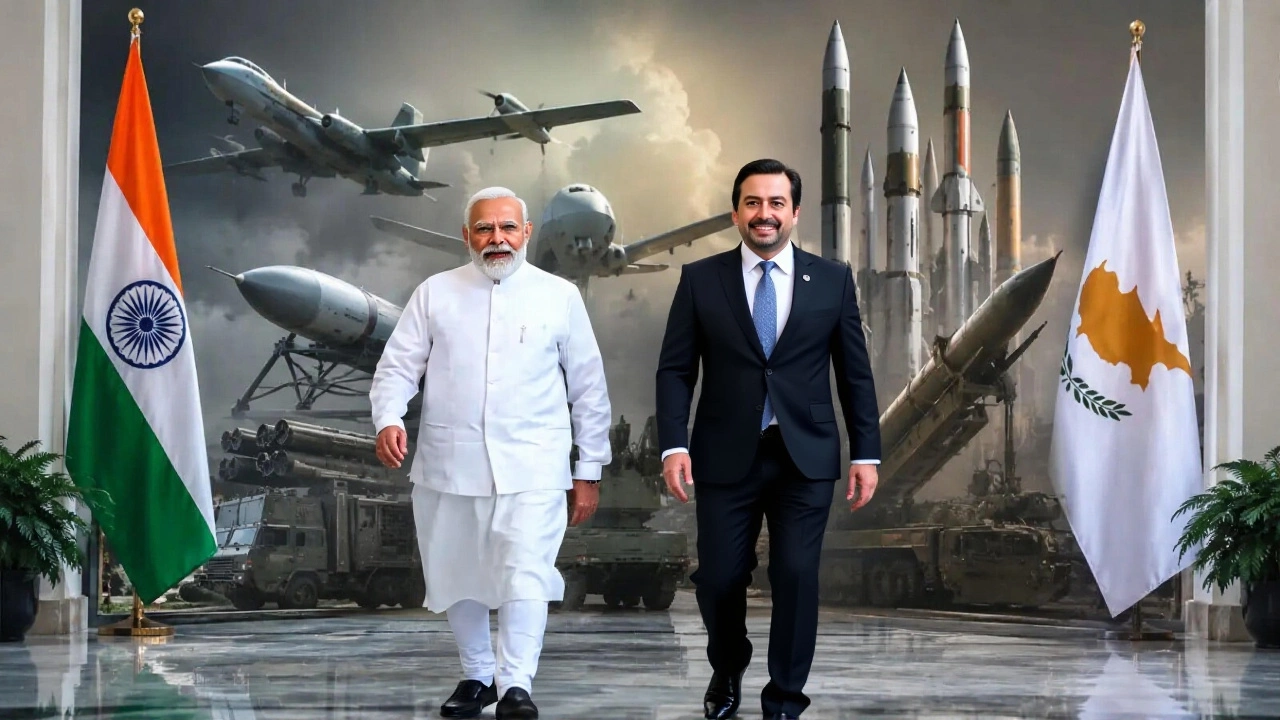
What’s Next?
The details are still unclear regarding whether India will respond militarily or diplomatically to the Shakshagam developments. However, experts warn that if China continues to cement its presence in PoK, it could trigger a new phase of border skirmishes. The window for de-escalation is narrowing.
Frequently Asked Questions
What is the significance of the Shakshagam Valley?
The Shakshagam Valley is a part of Pakistan-occupied Kashmir that India claims as its own. Its current use for Chinese infrastructure projects under CPEC is seen by India as a violation of its territorial integrity and a strategic encroachment by Beijing.
How did China assist Pakistan’s military capabilities?
Reports indicate China helped reorganize Pakistan’s radar and air defense systems to target Indian movements, provided satellite surveillance support, and supplied advanced weapons like PL-15 missiles and CM-400 AG AKG cruise missiles.
Why is there criticism of PM Modi’s diplomacy?
Critics point out the contradiction between Modi’s tough "red eye" rhetoric against China and his cordial interactions, such as shaking hands with President Xi. Opponents argue this undermines India’s assertive foreign policy stance.
Did Chinese military tech fail in recent conflicts?
Indian media claims that despite Chinese assistance, Pakistan’s air defense and anti-drone systems were bypassed by the Indian Air Force, leading to successful strikes on Pakistani targets and raising questions about the reliability of Chinese equipment.